About This Initiative
Understanding the Needs of Migrant Sugarcane Workers
At the heart of our work is the belief that every woman and every child deserves the opportunity to live a healthy, safe, and dignified life. In the underserved communities of Marathwada, women and children continue to face challenges such as malnutrition, anaemia, inadequate maternal healthcare, and limited access to essential nutrition and health services.
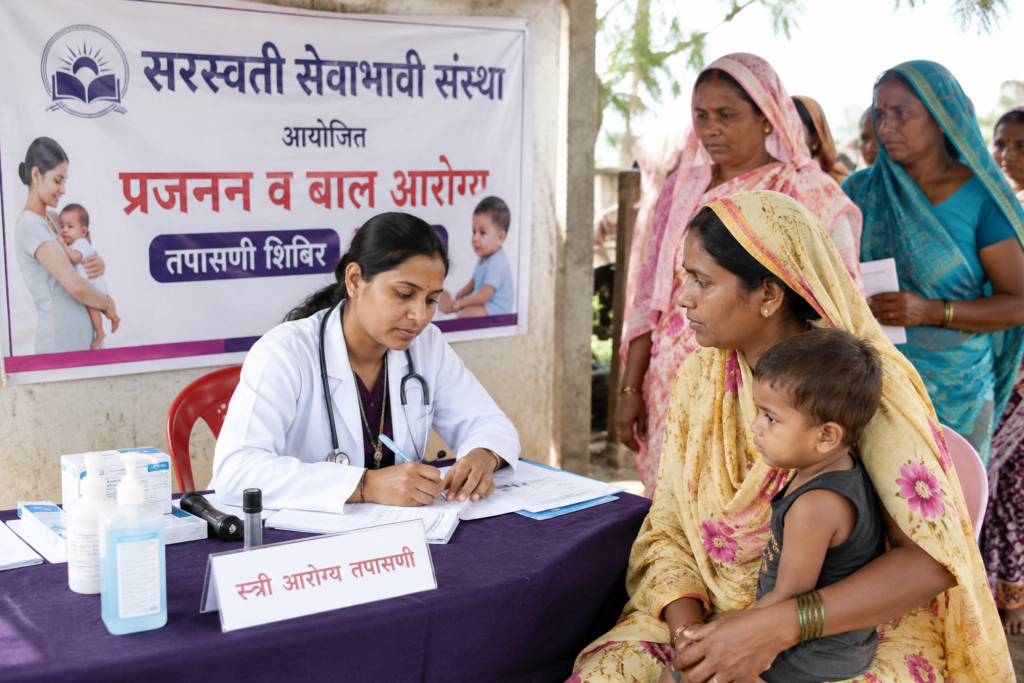
Our Women and Child Health Programme currently reaches 28 villages, covering 5,310 families and a population of over 32,941 people. Working closely with communities, frontline health workers, and government health systems, we promote maternal and child health, nutrition, adolescent health, and preventive healthcare through awareness campaigns, nutrition counselling, health camps, home visits, and community mobilisation.
Project Information
PROJECT TYPE
Community & Health Initiative
FOCUS GROUP
Migrant Sugarcane Workers
KEY ACTIVITIES
Survey & Health Check-up
APPROACH
Direct Community Engagement
Project Gallery
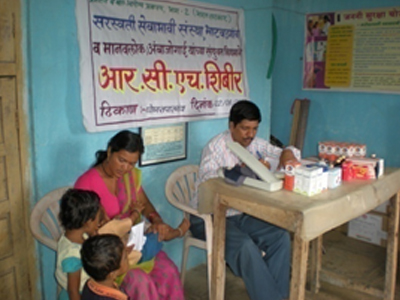
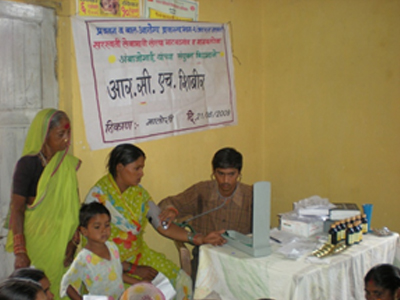
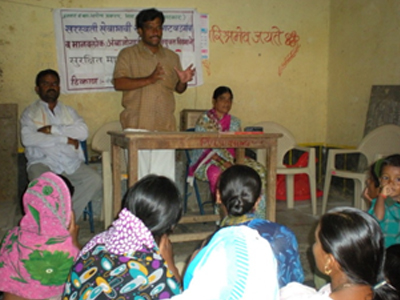
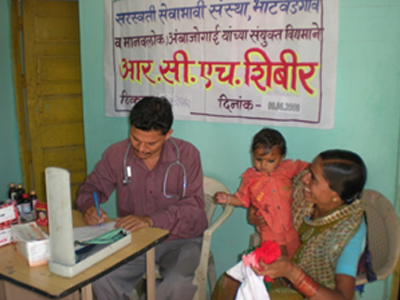
Community Health Engagement
Our interventions have delivered measurable improvements in maternal and child health. The health of 2,940 high-risk pregnant women, whose health indicators were below WHO standards, improved significantly through regular counselling, nutrition support, and timely healthcare services. Average haemoglobin levels among pregnant women increased from 7 g/dL to 12 g/dL, while healthy pregnancy weight gain reached the recommended 11.5–16 kg range. Early initiation of breastfeeding through colostrum feeding increased from 65% to 96%, consumption of nutritious food among pregnant and lactating mothers rose from 70% to 94%, and the proportion of families using safe and clean drinking water for infant feeding increased from 65% to 90%.
By strengthening community participation, empowering women with health knowledge, and improving access to quality health and nutrition services, we are building healthier families and creating lasting change for communities across the Marathwada region.
Our Community Health Approach
Reproductive Health
Supporting community-level engagement around reproductive health through dedicated health check-up activities.
Child Health
Focusing on child health through community-based check-up and health-related activities.
Health Check-up
Providing an opportunity for community members to participate in health check-up activities at the local level.
Community Participation
Encouraging community participation and direct engagement through field-level health initiatives.
Our work impact
Mother and Child Health
- Number of villages-28, Families-5310, Population-32941
- 2940 pregnant mothers, whose health was below the WHO criteria, were improved.
- HB levels were increased from an average of 7 to 12g/dL.
- The pregnant mother’s weight was gained to the recommended levels between 11.5 to 16 kilograms.
- The Colostrums feeding of new babies increased from 65% to 96%.
- The consumption of nutritious food by pregnant and lactating mothers increased from 70% to 94%.
- The percentage of family using feeding safe and pure drinking water to babies increased from 65% to 90%.
Agriculture&Livelihood
- Districts Covered- 3, Villages Covered-468, Families Covered-43287, Approximate Population covered- 216435 persons.
- 21000 families improved their income through agriculture support from on average Rs 3700 per month to Rs 12000 per month.
- 15,000 farmers are practicing Organic Farming from one 12000 hectare and approximately 4500 hectare were brought under horticulture plantation.
- Approximately 45000 hectare land was brought under the cultivation of pulses
- Approximately 3312 families migration were stopped in the last 5 years, through agriculture and livelihood support.
Environment
- Approximately 12,000 hectares of land in the watershed are afforested, and the same land's soil erosion has been stopped.
- More than 3500 wells deepened and restored for various purposes in approximately 250 villages, water reservoirs desalted. 5 villages made drought-free villages.
SELF HELP GROUPS
- 384 women Self Help Groups were formed and 120 SHGs received loans from banks. Around 170 women started microenterprises, such as pulses sorting, chili powder, small poultry, etc. Because of 170 micro enterprises started by women, the women stopped migrating, thereby securing the exploitation of their children.
Child Education and Sexual Abuse Villages Covered- 450, Districts-13
- Approximately 4,500 drop-out children restored in mainstream schooling.
- Approximately 300 child labourers rescued and approximately 478 Child marriages stopped.
- Approximately 197 Child Sexual Abuse Survivors Supported.
- Around 8 lakhs took part in that they won't conduct any child marriage and would not support and attend child marriages.
- 333 tribal children in the tribal areas are continuing education in Chhattisgarh.